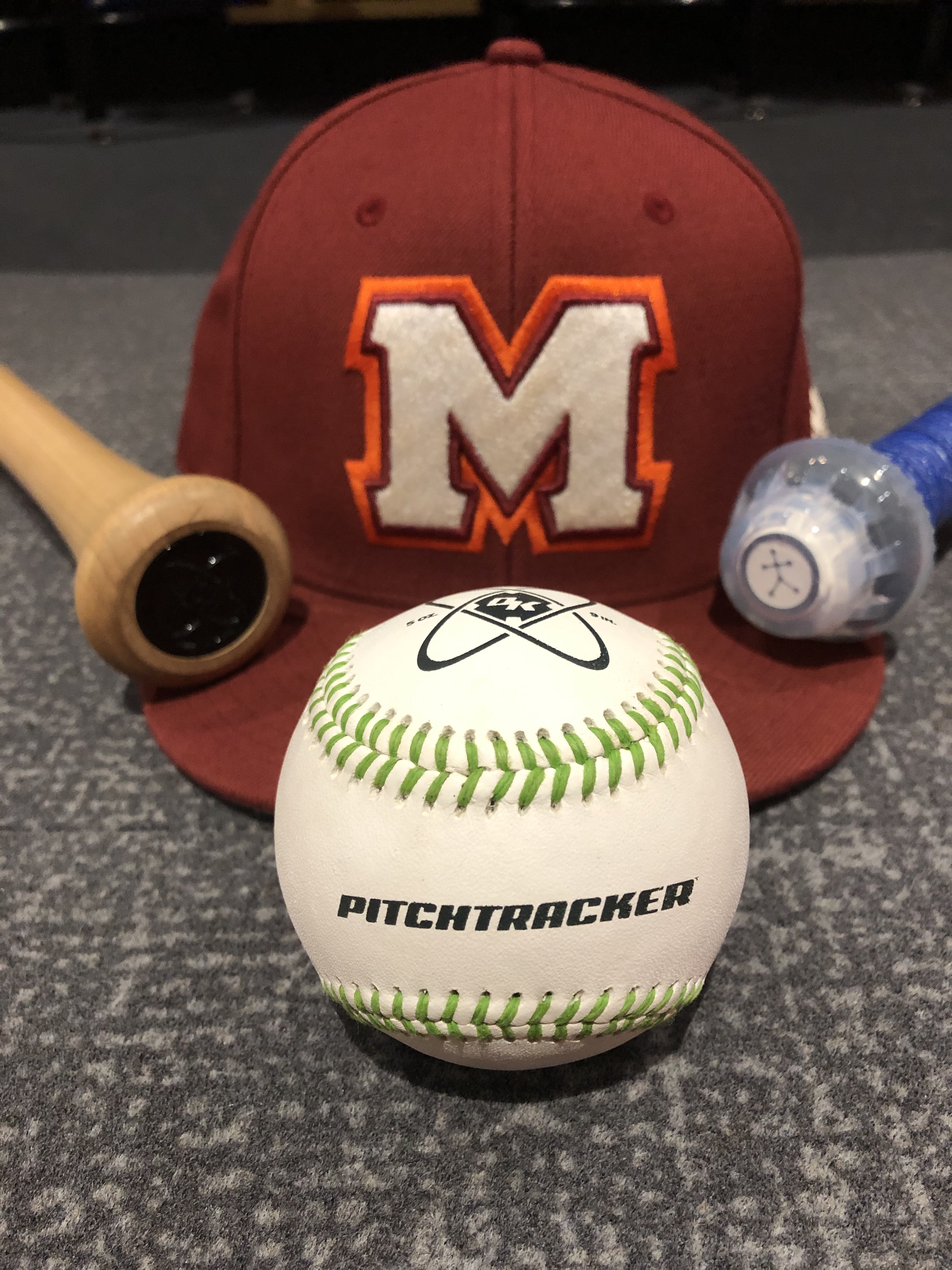
Baseball is changing at every level because of the technological advances that have happened over the last few years. To the average fan and coach, it can seem very overwhelming with all the different tools that are now available. The reason for this blog is to tell you that professional coaches, college coaches, and many other coaches felt this way as well. In my time with the Yankees, I was thrown into a role where I was dealing with more than I could understand at first. The most important thing you can do in this situation is to ask questions until you figure it out. At first, I was afraid to ask questions and sound stupid amongst my peers. We tell our players to be confident when on the field and in turn, as coaches we need to be confident in quest of knowledge. I’m saying all of this because it is part of the process in using technology properly. Through my trials and tribulations with the new technology on the market, I feel as if I know the best way to navigate while on a budget. The first step is to realize that you are going to have to spend time and money understanding the metrics before you buy the products. The second step is having a way to gather, store and display the data that you are about to gather. The third step is to buy and test the technology on yourself. The final step would be to develop a presentation and continuing education program for your players to understand the data they are about to use.
The first time I realized how little I knew about the game of baseball was last year at the ABCA Convention. The presenters were phenomenal and the amount of knowledge that was shared was unreal. These presenters are the pioneers in using technology and can help you understand what to look for. The presenters come from all ranks of baseball but the presenters from the private sector are much more willing to share their information. Examples of these organizations are Driveline Baseball, Rockland Peak Performance, Cressey Sports Performance and many more. The companies listed have put out information through blogs, paid subscriptions and podcasts. Conventions like the ABCA are a great place to start not only because of knowing who to seek knowledge about the application of these tools, but you can also interact with the vendors themselves. Networking is a huge part of climbing the ranks as a coach but it is just as important creating relationships with these companies as well. Like anything else in life, you are more likely to help someone out the better that you know them. These vendors are always looking to make a sale- so if you keep showing interest they will keep trying to get your business and maybe even offer you more discounts or incentives.
Once you have gone to conventions and learned about what technological metrics you feel are important, then you need to find a way to gather, store and display these metrics. The basis of this blog is how to use technology on a budget. If you are not a tight budget then most of these companies offer a year to year subscription that stores the data with no problem. These can be very expensive and not in everyone’s price range. Understanding how to use Microsoft Excel, Google Sheets, or anything else similar is crucial. I bought a $30 Excel course from the New York Post Store and it has already dramatically changed the way that I store our players progress. On my social media platforms, I have posted some examples that I already created and with the more I learn about excel, the more appealing the data will become.
The third step is something that I feel strongly about because I feel as if you need to understand what the players are going through. One downfall of technology is when an organization rolls out products without returning any information. Being able to make changes right away when using technology helps the buy-in of the entire team and not only the person it improves. An example of this would be use of launch angle at the Major League level. Coaches began downplaying it, but the players bought-in right away because they saw the improvements from guys like Daniel Murphy and Josh Donaldson. If you know how to perform a common movement flaw and then to correct it, do it. This will show you the difference in the metrics of the tool that you just bought. Example of this on the hitting front would be the difference between a positive and negative attack angle using a bat sensor. An example of this on the pitching front would be throwing a two seam and four seam on a rapsodo machine. This is where you get the best understanding of how to teach while using these new technological products. Another tip I have- save up money to buy these products. This isn’t a fun thing to do, but if you wait for a school to pay for the products that you want, you’re going to fall behind.
The final step is going to piggyback off what I said in the last paragraph. If you show players how technology will help them then they will all buy-in. It’s a different era of baseball and some players know just as much as us when it comes to new technology. One of my former players at St. Petersburg College knew much more than me when it came to pitching development. If he were on my team right now, I would bring him in and talk about the best way to communicate the metrics to the players on the team. Some coaches have tried to hide this information from the players but I do not agree with this tactic. I have noticed that players love getting new information and embrace the process while having more data. If we are going to make mistakes when coaching athletes, which we all do, I would rather do it with more information than less. So my recommendation is to create a presentation, get feedback from leaders on the team, and then go! Everyone is going to value different metrics because no coach looks at athletic movements in the same manner. This will be your own personal journey on how to go about how to tackle this journey. Below I will list all the continued education, conventions and technology products that I have experience with and recommend.
Websites/Subscriptions
- https://www.drivelinebaseball.com/
- https://rocklandpeakperformance.com/
- http://cresseyperformance.com/
Books
- MVP Machine by Ben Lindbergh + Travis Sawchik
- Big Data Baseball by Travis Sawchik
- Astroball by Ben Reiter
Conventions
- ABCA
- Slugfest
- Pitch-A-Palooza
Products
 CONNECTING THE DOTS BASEBALL
Leave a comment