I was finishing my degree in exercise science at Catawba College and needed an internship to complete it. I was looking through LinkedIn and found Ian Kadish. He was working at the Performance Compound and was in charge of MLB/MILB off-season training. I don’t remember if I asked him about the internship or he offered it to me, but it worked out that I would be with him for around 6 weeks. I had no idea how these 6 weeks would transform the rest of my life. Ian is a natural born leader and showed me the way around a weight room. There was a comment he made that has stuck with me ever since and that was “learn under the bar.” This means you can become a better strength coach by constantly training yourself. It also goes along with the premise that you do not want an overweight fitness coach. Another example would be from Nassim Nicholas Taleb. Nassim is a big advocate of “having skin in the game.” I believe that “learning under the bar” is an example of “having skin in the game,” because you take away the ability of an athlete saying you can’t do whatever it is you’re instructing them to do. Why tell you this? I am now a baseball coach. How does this transfer? It is my belief that coaches should learn while playing the game as long as they can. Here are some bullet points as to why I believe this.
- Skin in the game- There are many things about the game of baseball that make it a frustrating game. The college level is one of the most frustrating levels, because you can spend two thirds of the year preparing for the other third with having little feedback as to if you are headed in the right direction. We can use metrics such as exit velocity, pitching velocity, strength numbers and more but that does not directly correlate to results on the field. With this in mind, it can be tough to stay on a steady training plan. If your coaches just stand there and watch you struggle, it can be tough. It is my belief that if you can work alongside your players from time to time, struggle, and get better- it will help them believe in the work that they are doing.
- Is your practice dialed in?- With machines and constraints becoming more prevalent, it is imperative that the practice is dialed in. What do I mean by this? If we want to receive curveballs, how can we make sure that we start practice right away? I can get behind the dish myself to see if it’s at the adequate speed and break that I want. The same goes for hitting breaking balls. We started using machines my last year of college baseball. We would set up the breaking ball machine and at first they set the difficulty way too high. I got frustrated and some could not even make contact. It was then later on in the year that they made the adjustment to make it easier and let us have some success with the machine. I learned how important level of difficulty can be when setting up a machine.
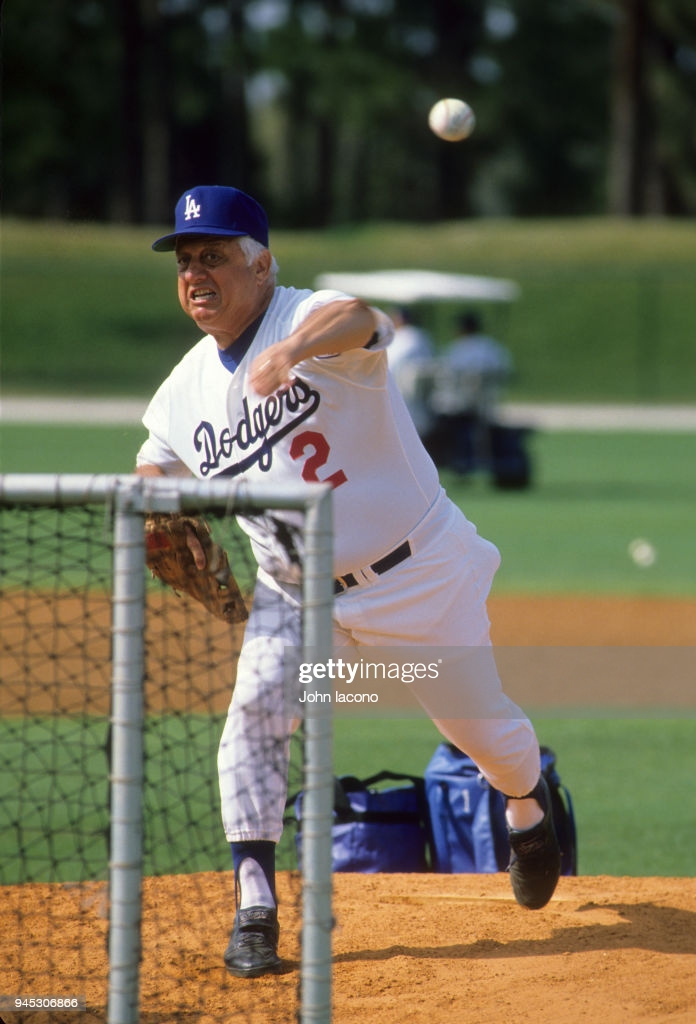
- Competition- Practice can become a boring and stale routine if you don’t find ways to mix it up. One easy way of doing this would be inserting yourself into the game. I have been throwing live batting practice to our guys at Maryville College since arriving. There are so many benefits to throwing to my guys and I’ll list them below:
- Players wanting to have friendly talk trash with me (boosts practice environment/relationship)
- Exposing weakness- I know where to attack and this helps them have a deeper understanding of how a pitcher would do the same
- Learning how to pitch when not being a pitcher
- Talking sequences/approaches- i.e. I throw a breaking ball, players swing terribly and I ask what they think is coming next.
These benefits have been profound and have changed the way that I see practice entirely. Jim Gantt (Catawba College head coach) would always say that the game of baseball is meant to be played and I couldn’t agree more. I try to get game like looks as much as possible and if I can throw competitively off the mound, then why not do it?
- Vocabulary- This benefit smacked me in the face this year. We can have all the correct definitions of what we want a player to be, but if they don’t understand it, it means nothing. Things such as keeping your hands back, staying on top of the ball, attacking the baseball and more mean different things to different players. I was in the cage one day and I physically showed the players what I meant by catching the ball out in front. They were happy I did this because a few of them said they were envisioning something different in their head. If we can keep the ability of playing the game, we will be able to communicate effectively with our players.
- Respect for the game- Baseball is hard. We all know this. At times we don’t really respect how hard it actually is. If we keep playing the game of baseball I believe that this will keep our respect for the game high. The last thing we want to feel towards our players is a lack of confidence. If we respect how hard the game of baseball is, we can feel confident that they have done everything in our/their power to be ready for the situation at hand.
It is my hope that more coaches continue to play the game of baseball because this will lead to healthier practice environments. Tread Athletics does a great job of this by hiring pitchers that need the extra money while training for their careers. Coaching helps you become a better player. I firmly believe that playing can help you become a better coach.
 CONNECTING THE DOTS BASEBALL
Leave a comment