I’m the hitting coach at Florida Tech. It would make sense that I love to talk about hitting, but this isn’t always the case. I have select few people in my circle that I love to talk hitting with. This is because most of the discourse with hitting (online) can often be blanket assumptions that don’t account for the individuality of a hitter. I have been coaching now for almost a decade- and I know better than to talk about absolutes of hitting in an online setting (X, Twitter, Threads, etc). Those who are in my inner circle understand that to have a discussion on hitting, you need to have concrete information on that player or team that ultimately leads to the discussion.
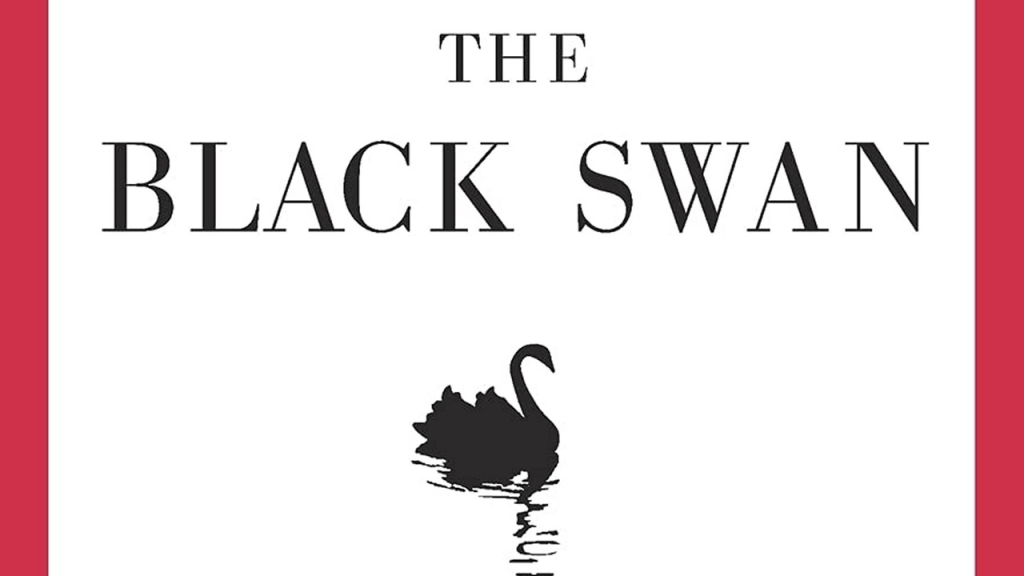
I’ve often said that my biggest growth/development as a coach came during the Covid-19 shutdown. It was a unique time of my life where I was able to dive all the way into obtaining more information. There was a group Zoom during this time that I was fortunate enough to be part of- which really led to my beliefs as a hitting coach. During those Zooms, I listened a lot and talked a little. It was also during this time when I fell in love with listening to audiobooks. This is when I found one of my favorite authors, Nassim Nicholas Taleb. In the Zooms, I learned how important the mind-body connection is when it comes to hitting and coaching hitters. I also learned from Nassim Taleb about the concept of the “Black Swan”. Here is the definition of a “Black Swan”.
It wasn’t until recently that I realized how the “Black Swan” is now part of my hitting philosophy. We can talk about the mind and body until we are blue in the face, but there’s always going to be something of great impact that we are not talking about. Looking back at my history of playing and coaching, I have many instances of this happening. Let’s look at one:
I previously wrote a blog about the Fall of 2013 and you can find it here: How I Became a Power Hitter . In this blog, I speak to how it was just my Dad and I all Fall season. My Dad was in his 70’s and wasn’t able to throw overhand batting practice, so our days consisted of hitting front-toss for 100-200 swings a day. Here is what I worked on with my mind and body:
Mind- Hitting the baseball to all parts of the field.
Body- Staying in shape by swinging the bat 100-200 times a day.
While working on these things, I went into my junior year season with high expectations for myself. I shattered my own expectations. I hit 10 home runs after not hitting one home run my first two years of college. Now was it just by staying in shape and making sure I could hit the ball to all fields? No. It was something that I had no idea that I was working on. Now dedicating a big part of my life to understanding the baseball swing, I understand what my “Black Swan” was.
Black Swan- Front Toss
The reason the front toss was the “Black Swan” was what the training was doing to my swing over time. The one thing I always had in my career was bat speed. I can still to this day get my bat speed above 80 mph. Another aspect to my swing was that it was super flat going into that Fall of 2013. We have found through immense amounts of data that this is not an ideal swing path. There are many players that can benefit from having a higher vertical bat angle. Here’s an example of the importance of vertical bat angle data:
Now what am I getting at? Front toss creates a more steep swing because of the descent of which the baseball is coming into the strike zone, creating a more vertical bat path. Did I have any idea that I was doing this to my swing or that it would be so beneficial? Not a clue. You as a coach or player will be doing something every day in which you have no idea how big of an impact it will have on you down the road. We can focus on the mind and body until we are blue in the face. We must always keep the “Black Swan” in the back of our head and be adaptable at all times. With that, I’ll leave you with one of the best baseball memes of all time in honor of the A’s playing their last game in Oakland.
 CONNECTING THE DOTS BASEBALL
Leave a comment